
At Unique Candles, we work with brands on private-label candles and other home fragrance products, from fragrance development and sampling through production and fulfillment.
What a Los Angeles Private-Label Manufacturer Can Make
A private-label manufacturer makes products that your business sells under its own name. Depending on the partner and project, the work may cover the product itself, branded components or both. Start by defining the products your customers need, not by choosing packaging first.
A candle line can be a single signature scent or a collection built for different rooms, seasons or customer groups. Unique Candles makes private-label and custom candles, along with reed diffusers, room sprays and roll-on perfume oils. That range gives a brand room to plan related products with one manufacturing partner, subject to the needs and scope of each project.
Ask which parts of each product the manufacturer handles. A project may involve formulation, fragrance development, component sourcing, packaging design or fulfillment. Those responsibilities can vary by product and quote, so record who owns each task before you approve the plan.
It also helps to distinguish white label from private label. White label usually means choosing an existing product and adding your branding. Private label may include more choices around fragrance, formulation or components. The exact options depend on the manufacturer. Read more about private-label and white-label candles.
Plan by SKU, or distinct product variation. For example, two scents in one vessel may count as separate SKUs. A clear list helps you align product choices with order quantities and keep a launch from growing beyond its first budget or schedule.
| Product direction | Questions to settle early | Useful for |
|---|---|---|
| Candles | Which vessel, fragrance direction and label style fit the line? | A core home fragrance product or a branded gift |
| Reed diffusers | Which bottle and reed choices fit the intended space? | A scent format that doesn’t rely on a flame |
| Room sprays | What formulation and bottle components suit the product brief? | A portable home fragrance item or a coordinated collection |
| Roll-on perfume oils | What scent direction and rollerball format fit the brand? | A personal fragrance product in a compact format |
Fragrance Development, Sampling, and Product Direction
Fragrance development starts with a brief, not a scent name alone. Tell your manufacturer what the fragrance should feel like, who it’s for and where customers are likely to use it. Words such as clean, woody or citrus-led can help, but examples of scents you like can make the direction easier to discuss.
Then decide whether you want to select a fragrance from available options or develop a more distinct scent direction. Unique Candles provides fragrance development and custom formulation. The right route depends on your goals, desired level of customization and the scope in your project quote.
Sampling gives you a chance to review the proposed direction before production. Ask what the sample represents. Is it meant to show fragrance direction, the finished formula or the final combination of scent and components? Those are different checkpoints. Make a note of what you approve and what still needs work.
For a candle, fragrance is only one part of the finished experience. The vessel and wax formulation affect how the product performs. A scent may need more evaluation in the planned product format. Ask the manufacturer how sample approval relates to production and whether any changes would require another sample.
Give clear feedback. Instead of saying a scent is “too strong,” describe what you want changed: less sweetness, more freshness or a softer impression in the room. Keep the feedback tied to the agreed brief. That helps both sides work toward the same target rather than making repeated changes without a clear reason.
Packaging deserves attention during product planning, too. A custom vessel or printed component can affect sourcing and timing. Unique Candles provides product design and packaging sourcing, but the specific options and responsibilities should be confirmed for your project. Ask what components are included in the quote and what you need to supply.
One useful rule: approve a sample only when you can describe what is approved. Keep the scent brief, sample notes and component choices together. That record helps your team review the same product later, especially when a launch includes more than one SKU.
From Product Planning Through Production and Fulfillment
A manufacturing project works best when you know what happens before production starts. Your first brief can be short. Include the product type, planned number of SKUs, estimated quantities, scent direction, packaging needs and target launch date. If some details are still open, mark them as decisions to make.
Next, the manufacturer can discuss the product scope and quote. Unique Candles supports projects from fragrance development and sampling through production and fulfillment. The quote should make responsibilities clear, including formulation, component sourcing and the final delivery or fulfillment plan.
Sampling and production are separate stages. A sample is for review and approval. Production begins after the product and key components are agreed. Unique Candles’ private-label candle pages describe a minimum of 250 units per SKU and typical production in 4–6 weeks after sample approval. Treat those as planning details for that program, then confirm how your product mix and project scope affect the schedule.
Timelines vary by product and by how much development a project needs. A new scent or custom component may add work before production can begin. A seasonal launch needs room for those decisions, sample review and shipment planning. Work backward from the date your products must be ready, then ask the manufacturer to confirm each milestone.
Fulfillment needs the same clarity. “Fulfillment” can mean different things in different projects. It may refer to preparing finished goods for shipment or another agreed handoff. Confirm the destination, packaging state and shipping responsibilities before production begins. For more information, see our order fulfillment planning.
Key Takeaway: Don’t treat sample approval as the launch date. Confirm the production window and delivery plan separately.
- Set the brief
- Define product types, SKUs, quantities and launch timing.
- Confirm the scope
- Review formulation, components, packaging and fulfillment responsibilities in the quote.
- Review samples
- Give focused feedback, then approve the agreed product direction.
- Prepare production
- Confirm the approved components, order details and production schedule.
- Agree on delivery
- Set out who arranges shipping, where goods go and how fulfillment will work.
Choosing a Manufacturing Partner for Your Business Model
The right partner depends on how much of the work you want to manage. A turn-key arrangement generally puts more project tasks with the manufacturer. A hybrid arrangement divides responsibilities. In a fill-and-assemble model, the buyer may supply components for the manufacturer to use. Ask which model the company can support and what each party must provide.
For a new brand, fewer handoffs can make project management easier. If one partner coordinates scent development, sampling, production and fulfillment, you have fewer supplier timelines to line up. That doesn’t remove your decisions. You still need to approve the product and confirm the order scope.
An established retailer may already have brand guidelines, packaging vendors or preferred components. In that case, ask whether the manufacturer can work with your supplied materials. Confirm that the components suit the planned product and production process before you commit to a large order.
Order minimums can shape the business case. Unique Candles’ private-label candle program has a minimum of 250 units per SKU. A multi-scent launch therefore needs to account for the minimum on each variation, rather than treating the total order as one shared quantity. Ask for a quote based on your actual SKU plan.
Build a quote review around the full project, not just a unit cost. Check what the quote covers, which components are included and whether sampling or packaging work has separate costs. Also ask how changes after sample approval affect the plan. Comparing quotes is useful only when both manufacturers are pricing the same product scope.
Choose a partner whose process fits your team’s capacity. If you have a small team, clear ownership of sourcing and fulfillment may matter as much as product choices. If you already manage vendors, a more divided model may suit you. Discuss responsibilities with a candle manufacturer in Los Angeles.
Pro Tip: Send the same product brief to each manufacturer you’re considering. It makes differences in scope, minimums and timing easier to spot.
Quality, Safety, and Compliance Questions to Discuss
Ask how the manufacturer reviews product quality before goods leave production. The answer should be specific to your product and the work included in your project. For candles, discuss what the sample represents and what checks take place before the production run is accepted.
Keep a record of the approved sample and key components. If you change a fragrance, vessel or label after approval, ask whether that change affects the product review or schedule. A clear change process helps prevent a team from treating a revised item as if it were the approved version.
Safety and labeling needs depend on the product and how it will be sold. Ask which rules apply to your product and label rather than assuming one checklist fits every item.
Federal rules also vary by product and claim. Whether a rule applies to your finished product depends on its details. Confirm the question with a qualified compliance adviser when needed.
For a private-label product, agree on who reviews label copy and who supplies any supporting documents. Your brand may own the final claims and artwork, while the manufacturer handles specified production tasks. Put those roles in the project plan. Don’t assume that a fragrance document or sample approval settles every labeling question.
Unique Candles is a member of the National Candle Association. When you discuss your project with us, bring your product list and any label or packaging questions you already have. We can clarify which manufacturing responsibilities belong in the quote and which questions need separate compliance review.
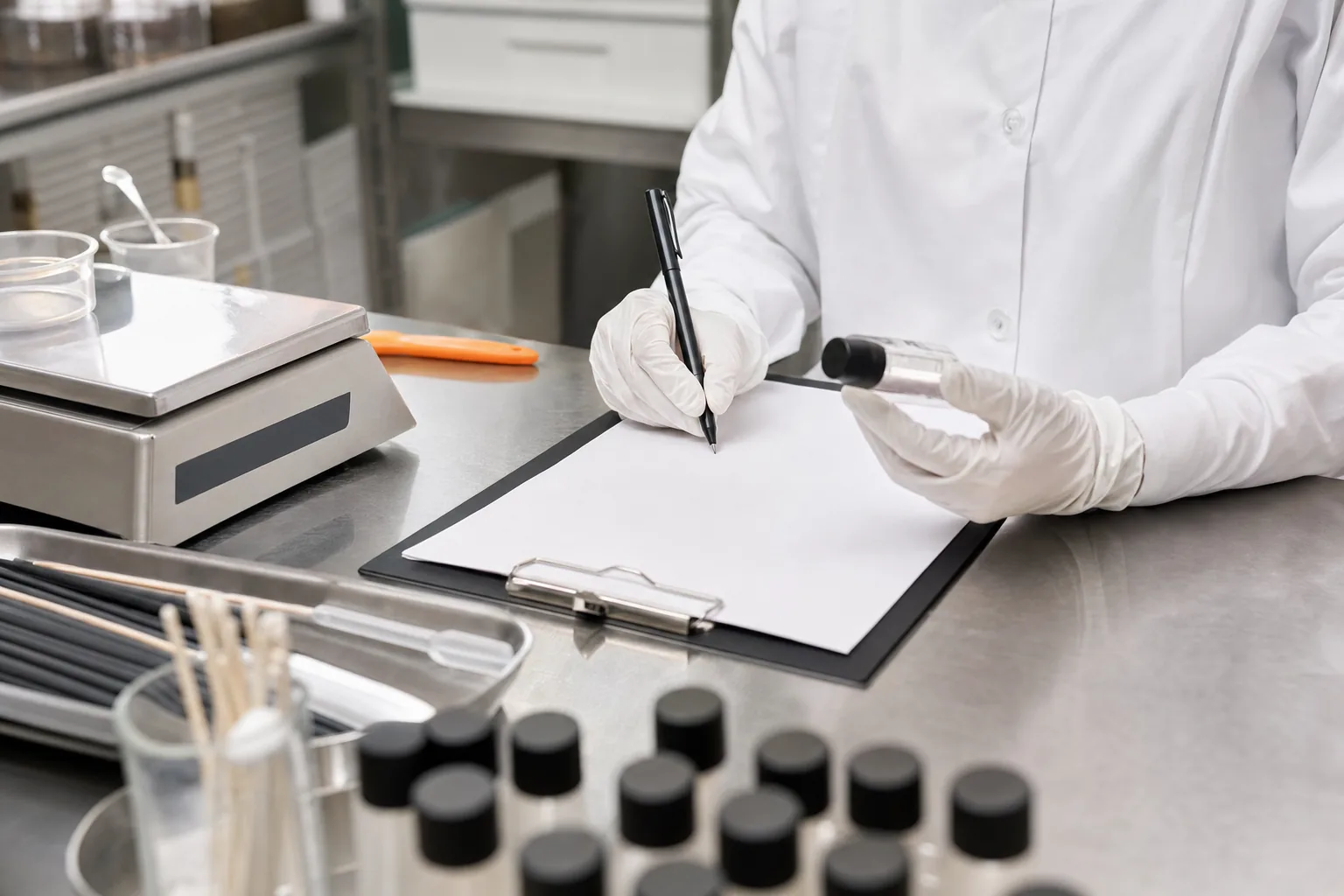
Working With a Manufacturer in Northridge, Los Angeles
Working with a Los Angeles-area manufacturer can make in-person project discussions more feasible for Southern California brands. A local partner may also simplify coordination around samples, packaging decisions or a planned factory visit. Unique Candles is based in Northridge, California, and has been in business since 1999.
Local proximity doesn’t automatically mean a faster production schedule. Materials may still need to be sourced, samples approved and orders prepared for shipment. Treat location as one factor in the project plan, then confirm the production and delivery dates in writing.
Factory visits at Unique Candles are by appointment only. If an in-person visit would help your team, ask about arranging one as part of the project discussion. Bring questions about the product stages you need to see, along with your planned SKUs and launch timing.
For brands outside Southern California, ask how finished goods will move to your warehouse or fulfillment provider. Confirm who books shipping and what information needs to be ready before goods are released. If you sell online, check that cartons and shipment handoffs fit your own receiving process.
Los Angeles can also be a useful base for brands that want to meet with a manufacturing partner during development. But the key is still a clear handoff. Before approving the project, make sure your team knows who manages formulation, components, production and final fulfillment. Unique Candles works with founders, retailers, hospitality businesses and brands planning custom-branded gifts or fragrance products.
When you reach out, share what you want to make, the scent direction you’re considering, your estimated quantities and your target launch date. You don’t need a finished specification to start a useful conversation. A clear first brief gives both teams something to work from.
Frequently Asked Questions
- What does a private-label candle manufacturer do?
- A private-label candle manufacturer makes candles that your business sells under its own brand. Depending on the project, the manufacturer may help with fragrance development, formulation, components, sampling and production. Confirm the exact scope in the quote, including who handles packaging and fulfillment.
- What’s the difference between private label and white label candles?
- White label usually means selecting an existing product and adding your brand. Private label can include choices around the product itself, such as fragrance or components. Manufacturers use these terms differently, so ask what can be customized and what is already set for the program you’re considering.
- What’s the minimum order for private-label candles?
- Minimum order quantities depend on the manufacturer and project. Unique Candles’ private-label candle program has a 250-unit minimum per SKU. If you plan multiple scents or formats, ask how each variation counts toward the minimum and request a quote using your planned SKU list.
- How long does private-label candle production take?
- Production timing depends on the project and starts at a different point than product development or sampling. Unique Candles describes typical production as 4–6 weeks after sample approval for its private-label candle program. Confirm the schedule for your product, then leave time for sample review and delivery planning.
- Can a manufacturer make more than candles?
- Some manufacturers make related home fragrance products, while others focus on candles. Unique Candles makes private-label candles, reed diffusers, room sprays and roll-on perfume oils. Ask whether the products you want can share a project plan and what separate components or minimums apply to each one.
Conclusion
If you want one partner for fragrance development, sampling and production planning, start with a clear brief and compare the full project scope. Unique Candles has worked in Northridge since 1999 and makes several private-label home fragrance products. Share your product goals, scent direction, estimated quantities and launch date to begin a project conversation.